
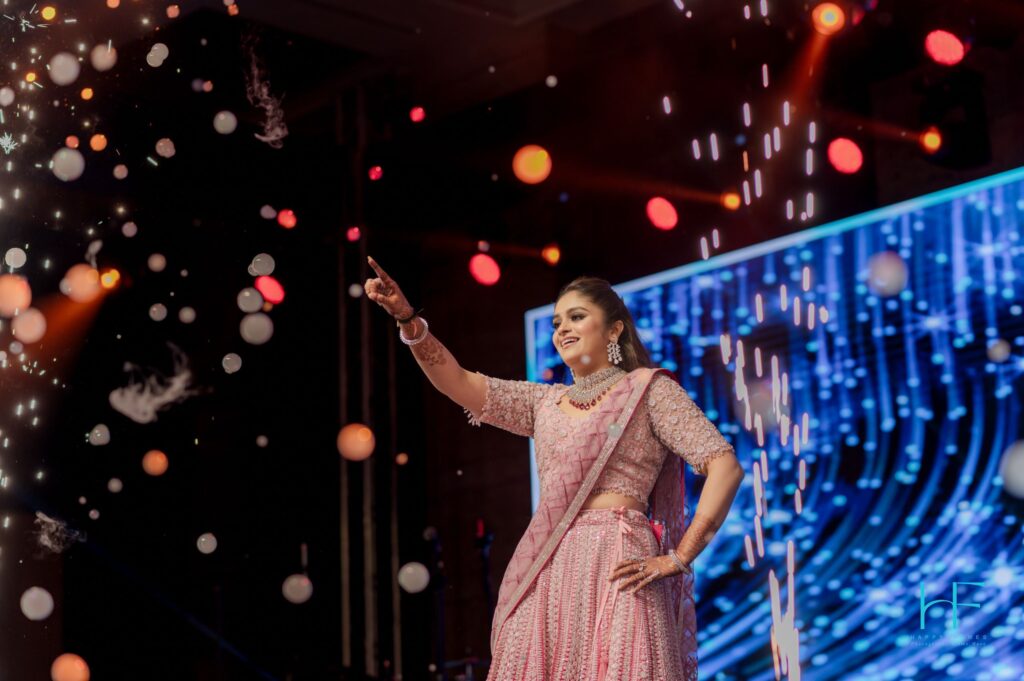
Styling is one of the most emotional parts of a wedding. It is also one of the easiest places for timelines to quietly collapse.
A blouse hook breaks five minutes before you leave. Jewelry is still with the photographer in another room. Someone is steaming an outfit while your makeup is already done. Your shoes are missing. A dupatta pin pricks you, so you start again. Nothing is “wrong.” It is just unplanned.
In Dubai, these small delays matter more than families expect. Venue access windows can be precise, sound checks and rehearsals run on fixed blocks, and guest arrivals do not wait for last-minute outfit fixes. If you are hiring a sangeet and mehendi planner in Dubai, one of the most valuable things they should give you is not only a run sheet for the venue, but a styling timeline that protects you from rushing, panic, and missed moments.
At The Wedding Trunk (established in 2017, planning across India and the UAE), we plan celebrations end-to-end with structured budgeting, vendor management, guest operations, and on-ground show-running. A big part of keeping the weekend calm is aligning outfit, jewelry, and hair and makeup timelines with the real flow of sangeet and mehendi functions. If you want a tailored plan for your Dubai wedding weekend, visit www.theweddingtrunk.com or call India: +91 98925 99799 or UAE: +971 56 934 3443.
The truth about styling timelines
Most couples build styling timelines based on how long hair and makeup takes.
Professionals build styling timelines based on what comes after hair and makeup.
Because hair and makeup is only one part of the “ready” process. The real time drains are:
- jewelry layering and clasp issues
- outfit steaming, last-minute stitching, missing hooks
- draping and pinning dupattas or sarees
- footwear changes and comfort adjustments
- family interruptions and photo calls
- travel to venue and arrival buffers
If you plan only for makeup, you will always feel late.
Part 1: The two rules that keep you on track
Rule 1: Your styling timeline must be built backward from your venue call time
If your couple entry is at 8:00 pm, you do not “start getting ready” at 6:00 pm. You build backward from:
- when you need to leave your room
- when photos need to begin
- when you need calm time to breathe and eat
- when jewelry and outfit must be fully finished
A good sangeet and mehendi planner in Dubai will create a clear call time grid:
- room exit time
- photography-ready time
- outfit-ready time
- hair and makeup completion time
- hair and makeup start time
This is how you run on time without rushing.
Rule 2: Styling needs a support system, not a to-do list
Most delays happen because one person is trying to do everything: find jewelry, steam outfits, manage people coming in and out, answer calls, coordinate photographers, and still remain calm.
This is why trained shadows and personal assistance matter. A shadow is not only for timeline cues. They are the person who ensures:
- jewelry is laid out in order
- safety pins and backups are ready
- shoes and essentials are packed
- food and water arrive
- the room stays controlled so you can focus
If you want the weekend to feel calm, not chaotic, call India: +91 98925 99799 or UAE: +971 56 934 3443.
Part 2: Mehendi styling timelines that actually work
Mehendi is often treated as casual, so couples underestimate how much time it needs. In Dubai, mehendi is frequently the first function where guests are arriving, photos start early, and the bride is in the center for long periods.
A realistic mehendi styling structure
4 to 6 hours before the function
- Outfit is steamed and hung properly, with blouse, dupatta, accessories together
- Jewelry is sorted into wear order: earrings, necklace, bangles, rings, hair accessory
- Footwear is finalised and comfort-tested
- Mehendi aftercare items are packed (tissues, lemon-sugar mix if used, stain protection plan)
- A separate “post-mehendi outfit” or change plan is confirmed if needed
3 to 4 hours before
- Hair and makeup begins, with a clear plan for minimal touch-ups later
- Photographer gets a short, controlled window for details shots (jewelry, outfit, invitation, shoes) without scattering items
60 to 90 minutes before
- Outfit dressing and draping begins with enough time to redo anything once
- Jewelry is worn in a fixed sequence so nothing is forgotten
- Final checks: pins, hooks, double-sided tape, stain protection, handbag essentials
- Quick snack and water, because mehendi functions can run long and you will be seated for extended periods
Departure buffer
- A solid 20 to 30 minutes to move from room to venue without panic
Mehendi outfit strategy that prevents late stress
A premium mehendi look is often lighter and more comfortable, but comfort must be planned:
- avoid overly heavy dupattas that need constant fixing
- keep jewelry secure but not overly layered if you will be seated and moving hands constantly
- plan footwear that allows walking between lounge zones without pain
If your mehendi day involves guests arriving and a structured flow, your styling should support movement and comfort, not fight it.
If you want a mehendi plan that aligns styling, guest flow, and vendor coordination, visit www.theweddingtrunk.com.
Part 3: Sangeet styling timelines that protect your entry and performance moments
Sangeet is where delays show immediately, because it is a show-led night with sound checks, cues, and a room that expects timing.
A realistic sangeet styling structure
6 to 8 hours before the function
- Outfit is checked, steamed, and hung with all pieces together
- Jewelry is laid out and photographed in order (this prevents last-minute missing pieces)
- Trial wear for any new shoes to avoid pain mid-night
- A plan for mid-night touch-up is set: lipstick, hair pins, blotting sheets, perfume
- If you have a quick change or after-party look, it is packed and assigned to someone who owns it
4 to 6 hours before
- Hair and makeup begins earlier than you think you need, because sangeet looks often require more detailing
- Nails, lashes, hair accessories, everything is accounted for within the schedule
2 hours before
- Outfit dressing begins with time to adjust comfortably
- Jewelry is worn in a sequence, and clasps are checked properly
- Dupatta or saree drape is pinned with a movement test: sit, stand, walk, light dance
90 minutes before
- Photographer gets a controlled portrait window
- Couple entry details are confirmed, so you are not asked questions while ready
- You eat something light and hydrate, because sangeet nights can run long
30 to 45 minutes before
- Final touch-up, fragrance, shoes on, essentials packed
- You move to the holding area calmly, not running through hotel corridors
The biggest sangeet styling mistake: treating jewelry as an afterthought
Jewelry is where most delays happen:
- clasps break
- bangles take longer than expected
- necklaces do not sit correctly and require adjustment
- earrings are missing stoppers
A strong plan includes:
- backup stoppers and clasps
- a small emergency kit in the room and at the venue
- one person assigned to jewelry management, not “whoever is free”
This is exactly where a good sangeet and mehendi planner in Dubai creates peace. They do not just plan the event timeline. They plan the human timeline.
Part 4: How planners keep your styling timeline aligned with the function flow
The best planners do not plan styling separately. They integrate it into wedding planning and management systems:
- Vendor selection and management ensures hair and makeup teams understand call times and event flow
- Production and show-running ensures your entry and performance cues are set early, not while you are dressing
- RSVP and guest communications reduce last-minute guest calls reaching you while you are getting ready
- Hospitality and hotel coordination reduces check-in issues and guest queries landing on your family
- Shadows protect you from questions and interruptions so you remain calm
If you feel like you are managing your own schedule on the wedding day, you do not have full support.
If you want a planning team that builds this kind of integrated structure across India and the UAE, talk to us at www.theweddingtrunk.com.
A copy-ready checklist: your styling timeline essentials
Use this before mehendi and sangeet:
- Outfit steamed, checked, and hung with all pieces together
- Jewelry laid out in wear order, with backups for stoppers and clasps
- Shoes tested and comfort-approved
- Emergency kit ready: pins, tape, hooks, safety pins, stain guard plan
- Touch-up kit ready: lipstick, blotting, perfume, hair pins
- Photography window defined so items do not get scattered
- Departure buffer built in, with clear room exit time
- One support person assigned to manage styling items
- Couple entry cues confirmed before you start dressing
A calm closing note
Outfit and jewelry stress is not part of the wedding experience you want. It is usually the result of missing structure.
A good sangeet and mehendi planner in Dubai protects your styling timeline the same way they protect the event timeline: by planning backward, building buffers, assigning ownership, and keeping distractions away from you while you get ready.
If you want your sangeet and mehendi to feel effortless from the inside, with styling, guest flow, and show-running aligned, The Wedding Trunk is here.www.theweddingtrunk.com
India: +91 98925 99799 | UAE: +971 56 934 3443